From Military Service to Business Education: Lander Faculty Continue Leadership Legacy
Their attire may have changed, but their mission to serve remains strong.
For military veterans and active-duty service members who are on the faculty of Lander University's College of Business and Technology, the commitment to leadership and service extends beyond their military careers. Today, they are bringing lessons learned through military service into the classroom, where they are preparing the next generation of business leaders to navigate challenges and lead with integrity.
Their experiences in the armed forces have shaped their professional journeys and their approaches to teaching. From the importance of teamwork and accountability to the value of perseverance under pressure, these faculty understand that true leadership is measured not simply by personal success, but by the ability to inspire, guide and empower others.
As the nation observes Veterans Day on Nov. 11, their stories offer a powerful reminder that service does not end when a military uniform is put away. Sometimes, it simply takes on a new mission.
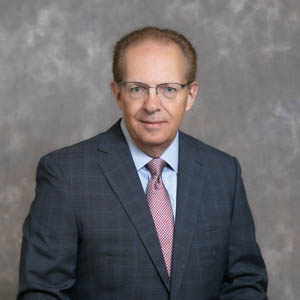
Dr. David Egleston
For Dr. David Egleston, military service opened doors to far more than a career in the U.S. Army. It provided a pathway to higher education, allowing him to earn bachelor’s and master’s degrees and begin work toward his doctorate with the support of military educational benefits.
But the Army also opened another door — one that would lead him far beyond the classroom and across the globe. His first overseas assignment sparked a passion for international travel that would shape the next chapter of his life.
“After completing my service, I spent 15 years in South Korea and the United Arab Emirates (Dubai),” he said.
After returning to the United States, Egleston had a desire to teach at a business school with accreditation from the Association to Advance Collegiate Schools of Business. He saw an ad for Lander and applied. Today, he teaches traditional in-person classes and online classes on organizational behavior, operations management and project management.
“I was quite successful as a business manager (restaurant and hotel) and as a consultant for projects with the Department of Defense, the Centers for Disease Control and Prevention, the insurance industry and the state of Kansas,” said Egleston, an associate professor of management.
“I feel that I have the chance to give back by helping young people avoid some of the mistakes I made along the way. With more than 20 years of business experience, I have a lot of stories to share that I believe can help students understand business management.”
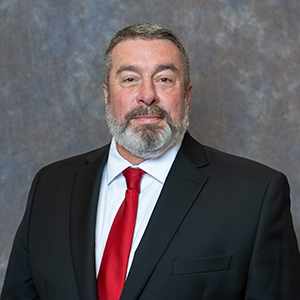
Michael Petty
Michael Petty joined the U.S. Navy immediately after high school and had a 29-year career in the military. “At the time, I knew it was what I wanted to do and intended to make a career out of it from the beginning,” he said.
“My service means a lot to my family and me. I had a career that provided so many opportunities for us. To do something that you know is greater than yourself is very rewarding,” said Petty, a business and management lecturer.
After his service, Petty realized that he had knowledge in leadership and management that could benefit young people. He found that opportunity at Lander, where he teaches Bus 101 (Introduction to Business), MGMT 201 (Principles of Management) and Bus 304 (Management Information Systems).
“Being at Lander is amazing. This is a great institution with a tremendous family feel among the faculty,” he said.
“I cannot think of anywhere other than Lander where I would like to teach,” Petty said. “I especially love working with the students. They are fun to teach and have unlimited potential for their futures. I feel honored to play a small part in their development.”
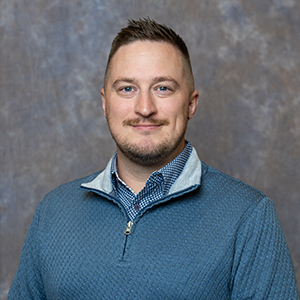
Hunter Calliham
A member of South Carolina Army National Guard, Lander alumnus Hunter Calliham will reach 16 years of military service in February. “Throughout my military career, I have completed a tour in the Middle East and participated in numerous stateside missions. These experiences include 18 months of service during the COVID-19 pandemic when I helped manage large-scale testing sites and provided support to emergency rooms and communities across South Carolina,” said Calliham, a graphic design lecturer.
When he joined the National Guard, Calliham said his goal was to develop greater structure and discipline while pursuing a college education. However, the camaraderie and lifelong benefits that come with military service were additional draws.
Ultimately, he also discovered that the “opportunity to help shape the next generation of designers at the very institution where my own journey began was one I could not pass up,” he said. “It felt like the right time to challenge myself in a new way by stepping into the role of educator.”
Teaching at Lander has been a true homecoming. “My family and I are from Greenwood, and after spending the past decade living and working in the Greenville area, returning to my hometown community to teach at my alma mater has been especially meaningful,” he said.
“I am grateful for the opportunity to teach in a field I love while helping students discover and develop their own creative potential,” Calliham said. “I believe educators have a direct impact on the future … and I wholeheartedly believe I can make a meaningful difference in the lives of my students and within the University.”
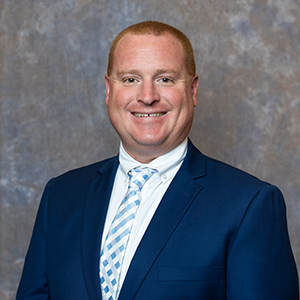
Stephen Skelly
Stephen Kelly is a captain in the U.S. Army Reserve and has served in the military since 2007. He began his military career in the Army National Guard as an enlisted soldier before commissioning as an officer through ROTC.
“Throughout my military career, I have had the opportunity to serve in a variety of leadership, logistics and operational roles, including company command, mobilization in support of the Southwest Border mission and positions supporting large-scale military operations and exercises,” he said.
His decision to serve was rooted in a desire to be part of something larger than himself and to develop as a leader while serving others. “Over the years, the Army has given me opportunities to lead soldiers, solve complex problems, operate in challenging environments and work alongside people from many different backgrounds,” said Skelly, a business lecturer.
“Military service has become an important part of who I am both professionally and personally. It has reinforced the importance of discipline, resilience, integrity, responsibility and taking care of people,” he said. “Those lessons continue to influence how I approach leadership, business and the classroom. I particularly enjoy helping students connect what they are learning in the classroom to the decisions they will eventually make as employees, managers, entrepreneurs and leaders.”
One of the things he most enjoys about teaching is watching a concept move from something a student is simply studying for an exam to something they genuinely understand and can use in their careers, he said.
“My military and business experiences let me show students that leadership takes many forms. Whether someone is leading soldiers, managing a business, launching a company or beginning their first professional position, many of the same principles of accountability, communication, adaptability and service still apply.”
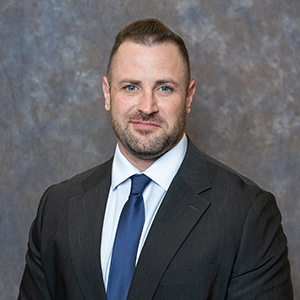
David Manning
David Manning brings service in the U.S. Marine Corps and a strong business background to Lander’s business classes. He served from 2009 to 2013 as a machine gunner in the infantry and an infantry squad leader with two combat deployments to Afghanistan. He left the Marine Corps as a lance corporal.
A business and management lecturer at Lander, Manning joined the military for the “pursuit of excellence, the opportunity to serve a country that had already given so much to me as a young transplant from Australia and an opportunity to push myself in ways that one is scarcely able to find in outside of the environment that the Marine Corps offers.”
His service taught him what it means to be responsible to and for other people, leading from the front and learning to embrace adversity as a means to grow. “This has influenced me through my entire career and essentially everything I’ve done after the Marines, from supply chain to the classroom, started with those ideas.”
After nearly a decade in industry where he ran logistics and programs at SpaceX, Amazon, EssilorLuxottica and UPS, Manning said, “I wanted to bring that experience back to students. Lander gives me a chance to teach the way I learned: through real problems and real consequences. I also didn’t take the straight path to a degree myself, so I like being somewhere students can see that the route doesn’t have to be a straight line.”